
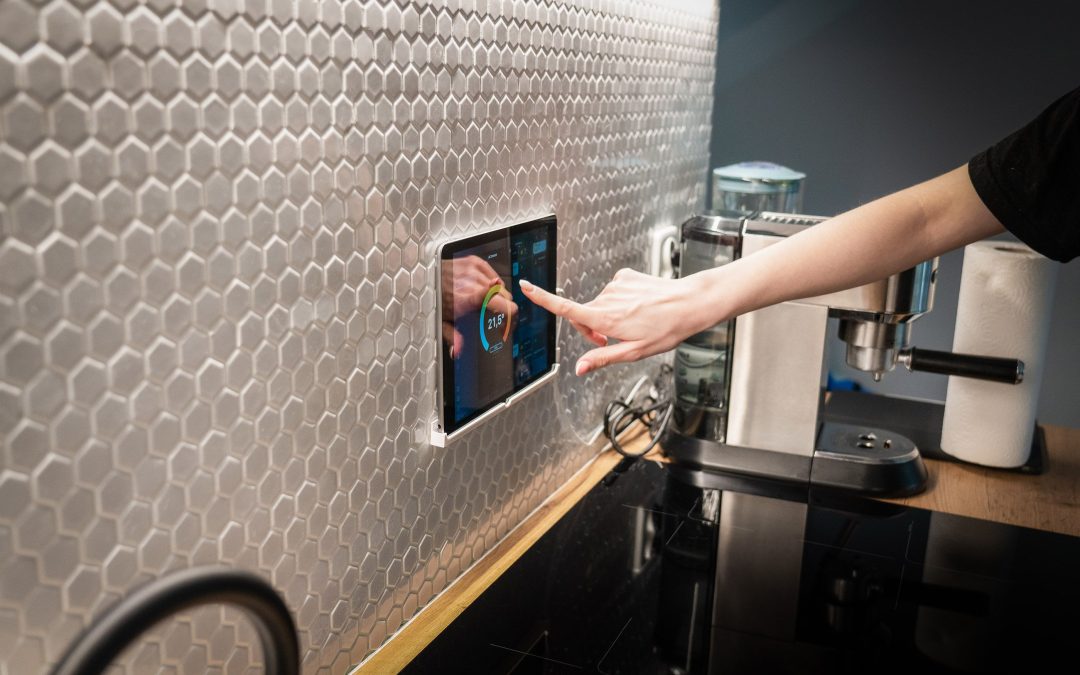
Technology has transformed the way we live, and today’s smart home devices do much more than turn lights on and off. From improving home security to helping reduce energy use, smart upgrades can make your home more convenient, efficient, and comfortable without requiring a complete renovation.
If you’re looking for smart home upgrades to consider this year, you’ll find plenty of options that fit different budgets and lifestyles. The key is choosing technology that genuinely improves your daily routine rather than adding unnecessary complexity.
According to the U.S. Department of Energy, smart thermostats can help households save energy by automatically adjusting heating and cooling schedules based on occupancy and daily routines. Small upgrades like these often deliver noticeable long-term benefits.
Let’s explore some of the best smart home improvements worth considering.
Why Smart Home Technology Is Growing
Smart home devices have become more affordable and easier to install than ever before.
Many products now connect through a single mobile app or voice assistant, making them simple to control from almost anywhere.
Homeowners appreciate smart technology because it offers:
- Greater convenience
- Improved energy efficiency
- Enhanced home security
- Better comfort
- Increased automation
- More control over household systems
These practical benefits explain why smart home technology continues to grow in popularity.
Install a Smart Thermostat
One of the most useful upgrades is a smart thermostat.
Unlike traditional thermostats, these devices learn your schedule or allow programmable settings through a smartphone app.
Benefits include:
- Reduced energy waste
- Automatic temperature adjustments
- Remote control
- Energy usage reports
- Improved comfort
This upgrade often pays for itself over time through lower heating and cooling costs.
Upgrade to Smart Lighting
Smart lighting makes it easy to customize your home’s atmosphere.
You can:
- Schedule lights to turn on automatically.
- Dim lights remotely.
- Control multiple rooms from one app.
- Set vacation lighting schedules.
- Use voice commands.
LED smart bulbs also consume less electricity than traditional incandescent bulbs while lasting much longer.
Improve Home Security
Security remains one of the biggest reasons homeowners invest in smart technology.
Popular options include:
- Video doorbells
- Smart locks
- Outdoor security cameras
- Motion sensors
- Window and door sensors
- Smart alarm systems
Many systems send instant alerts to your phone if unusual activity is detected.
Consider Smart Smoke and Carbon Monoxide Detectors
Traditional alarms only alert people who are inside the house.
Smart detectors can send notifications directly to your smartphone when smoke or carbon monoxide is detected.
Some models also identify which room triggered the alert, allowing for faster response.
This added awareness provides valuable peace of mind, especially while traveling.
Automate Window Coverings
Motorized blinds and shades have become increasingly popular.
They allow you to:
- Schedule opening and closing times.
- Improve privacy.
- Reduce heat gain during summer.
- Increase natural daylight.
- Help improve energy efficiency.
Automation also adds convenience for hard-to-reach windows.
Install a Smart Irrigation System
Outdoor water use can increase significantly during warmer months.
Smart irrigation systems monitor local weather conditions and automatically adjust watering schedules.
Benefits include:
- Reduced water waste
- Healthier lawns
- Lower water bills
- Improved plant care
Some systems even skip watering after rainfall.
Upgrade Kitchen Appliances
Modern smart appliances offer features that simplify everyday cooking.
Examples include:
- Smart ovens
- Refrigerators with inventory tracking
- Connected coffee makers
- Smart dishwashers
- Wi-Fi-enabled microwaves
Although not essential for every household, these appliances can improve convenience for busy families.
Add Smart Plugs
One of the easiest smart home upgrades to consider this year is installing smart plugs.
They convert many ordinary devices into smart devices without replacing the appliance itself.
You can control:
- Lamps
- Fans
- Coffee makers
- Holiday lights
- Small kitchen appliances
Smart plugs are affordable and easy to install.
Improve Entertainment Systems
Home entertainment has also become smarter.
Popular upgrades include:
- Smart televisions
- Streaming devices
- Multi-room audio systems
- Voice-controlled speakers
- Universal smart remotes
These systems create seamless entertainment experiences throughout the home.
Create Smart Home Routines
One of the greatest advantages of connected devices is automation.
Instead of controlling each device separately, you can create routines.
For example, a “Good Morning” routine could automatically:
- Raise the thermostat.
- Turn on kitchen lights.
- Open window shades.
- Start the coffee maker.
- Play the morning news.
Evening routines can lock doors, dim lights, and adjust temperatures with a single command.
Think About Compatibility Before Buying
Before purchasing new devices, make sure they work together.
Many homeowners prefer products compatible with common smart home platforms to simplify management.
Checking compatibility ahead of time helps avoid frustration and unnecessary replacements later.
Protect Your Smart Home Network
As you add connected devices, cybersecurity becomes increasingly important.
Protect your smart home by:
- Using strong passwords.
- Enabling two-factor authentication.
- Updating device software regularly.
- Securing your home Wi-Fi network.
- Purchasing products from reputable manufacturers.
A secure network helps protect both your devices and personal information.
Start Small and Expand Gradually
You don’t need to automate your entire house at once.
Many homeowners begin with:
- Smart thermostat
- Video doorbell
- Smart lighting
- Smart plugs
Once you’re comfortable, you can gradually expand your system over time.
This approach keeps costs manageable while allowing you to learn which features you use most often.
Are Smart Home Upgrades Worth It?
For many homeowners, the answer is yes.
Convenience, energy savings, improved security, and better control all contribute to the value of smart technology.
Some upgrades may also increase buyer interest when selling a home, especially as connected technology becomes more common.
Choosing practical features instead of unnecessary gadgets helps ensure long-term satisfaction.
Conclusion
Exploring smart home upgrades to consider this year is a great way to make your home more comfortable, efficient, and secure. Whether you start with a smart thermostat, connected lighting, security devices, or automated irrigation, even small improvements can simplify everyday life.
The best smart home upgrades are the ones that solve real problems and fit naturally into your daily routine. By starting with practical technology and expanding gradually, you’ll create a smarter home that works for you today and adapts to your needs in the future.