
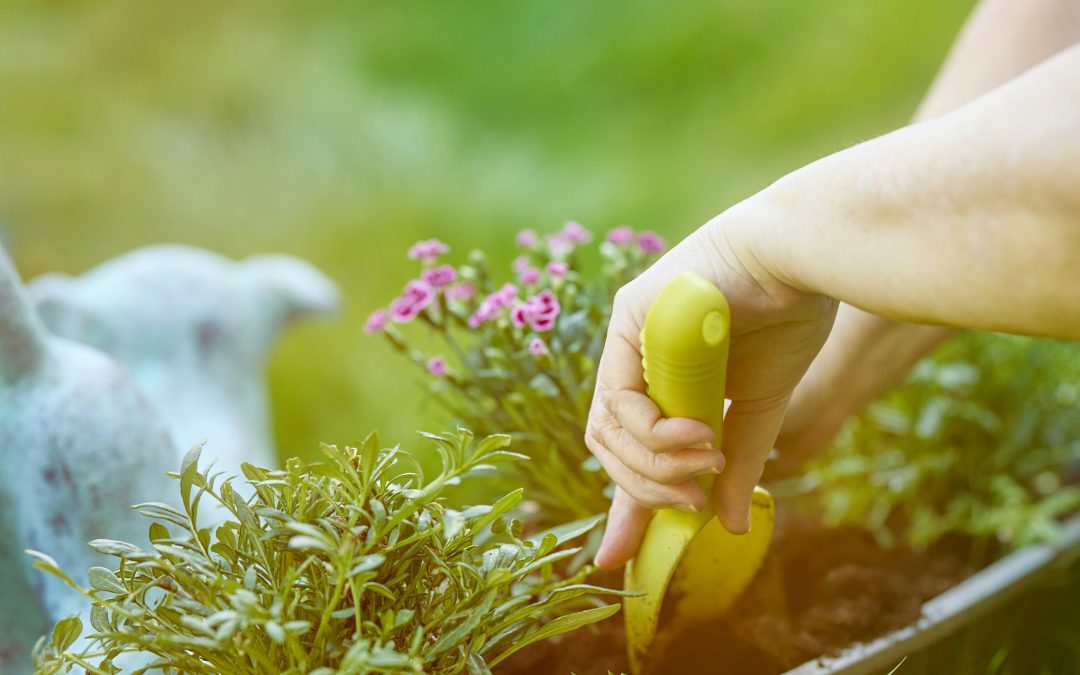
Gardening has always been about connecting with nature, but in today’s world, it’s also about protecting it. That’s where sustainable gardening comes in — an approach that focuses on growing plants in ways that support the environment, save resources, and promote long-term balance. Whether you’re tending a backyard garden or growing herbs on your balcony, learning the benefits of sustainable gardening can help you create a greener, more eco-friendly space that thrives naturally.
What Is Sustainable Gardening?
Sustainable gardening means designing and maintaining your garden in harmony with the environment. It emphasizes practices that reduce waste, conserve water, protect soil health, and support local biodiversity. Instead of relying on chemicals and excessive resources, sustainable gardens use natural processes — like composting and rainwater collection — to stay healthy and productive.
The main goal is to create a self-sustaining system where plants, soil, insects, and wildlife work together. This not only benefits the planet but also saves time and money for gardeners.
Environmental Benefits of Sustainable Gardening
1. Protects the Soil
Healthy soil is the foundation of every thriving garden. Sustainable gardening practices, such as composting and mulching, add organic matter that improves soil structure and fertility. These methods increase the soil’s ability to retain moisture while reducing erosion.
Unlike synthetic fertilizers that can harm beneficial microorganisms, organic amendments promote a living soil ecosystem full of earthworms and microbes. Over time, this results in stronger, more resilient plants and less need for artificial products.
2. Conserves Water
Water is one of the planet’s most valuable resources, and sustainable gardening helps you use it wisely. Techniques such as drip irrigation, rain barrels, and drought-tolerant plants minimize water waste. Mulching also prevents evaporation, keeping the soil moist for longer periods.
By creating a garden that conserves water naturally, you not only lower utility bills but also help reduce pressure on local water systems — especially important in dry or drought-prone regions.
3. Reduces Pollution
Traditional gardening methods often rely on chemical fertilizers, pesticides, and herbicides that can harm both people and the planet. These chemicals run off into waterways, polluting rivers and lakes and harming aquatic life.
Sustainable gardening replaces synthetic chemicals with organic alternatives like compost tea, natural pest repellents, and companion planting. This creates a clean, chemical-free environment where pollinators and beneficial insects can thrive safely.
4. Supports Biodiversity
One of the most powerful benefits of sustainable gardening is how it encourages biodiversity. By planting native species and avoiding monocultures, you attract bees, butterflies, and birds that are essential for pollination and pest control.
Native plants are adapted to your local climate and require less maintenance. They also provide food and shelter for local wildlife, creating a small but vital ecosystem in your backyard.
5. Reduces Carbon Footprint
Gardening sustainably helps fight climate change in multiple ways. Composting organic waste prevents it from going to landfills, where it would release methane — a potent greenhouse gas. Trees and shrubs in sustainable gardens also absorb carbon dioxide, improving air quality and offsetting emissions.
Using hand tools instead of gas-powered ones, sourcing materials locally, and growing your own food all contribute to reducing your overall carbon footprint.
Personal and Community Benefits of Sustainable Gardening
6. Improves Physical and Mental Health
Spending time in nature has proven health benefits. Gardening reduces stress, boosts mood, and provides a sense of accomplishment. When you garden sustainably, you work in harmony with the earth — an activity that fosters mindfulness and emotional well-being.
Physically, sustainable gardening keeps you active through planting, weeding, and composting. The fresh air and moderate physical activity make it an excellent low-impact exercise that improves strength and endurance.
7. Promotes Healthy Eating
When you grow your own vegetables, herbs, and fruits, you gain access to fresh, organic produce right from your garden. You control what goes into your soil and onto your plants, ensuring that your food is free from pesticides and harmful chemicals.
Homegrown food often tastes better, retains more nutrients, and reduces the environmental costs associated with packaging and transportation. Sustainable gardening empowers you to eat healthier while lowering your ecological footprint.
8. Builds Community Connections
Sustainable gardening often brings people together. Community gardens, seed-sharing events, and composting initiatives foster collaboration and education among neighbors. These shared spaces encourage teamwork and awareness about local environmental issues.
When people grow food and flowers together, they strengthen community bonds and inspire others to make eco-conscious choices.
9. Saves Money in the Long Run
Although sustainable gardening may require an initial investment in tools or soil amendments, it saves money over time. Composting reduces the need for store-bought fertilizers, native plants require less watering and maintenance, and growing your own food cuts grocery costs.
Additionally, sustainable gardens tend to be more resilient to pests and weather changes, lowering the risk of crop failure or the need for expensive replacements.
Practical Ways to Start Sustainable Gardening
If you’re inspired by the benefits of sustainable gardening, here are a few easy ways to begin:
- Start composting: Turn kitchen scraps and yard waste into nutrient-rich compost.
- Choose native plants: They’re adapted to your area and need less water and care.
- Use organic fertilizers: Replace chemicals with natural alternatives like compost tea.
- Collect rainwater: Install a rain barrel to water your plants naturally.
- Practice crop rotation: Keeps soil healthy and prevents nutrient depletion.
- Encourage pollinators: Grow bee-friendly flowers like lavender, echinacea, and marigold.
- Avoid overwatering: Deep, infrequent watering promotes stronger roots.
By adopting even a few of these practices, you can make a big difference for both your garden and the environment.
Final Thoughts
The benefits of sustainable gardening go far beyond beautiful plants. It’s about creating harmony between people and nature — protecting resources, supporting wildlife, and ensuring a healthier planet for future generations.
Sustainable gardening doesn’t require perfection or a large yard. Every small change, from composting to choosing native plants, contributes to a more balanced ecosystem. It’s proof that caring for the earth starts right at home, one plant at a time.