
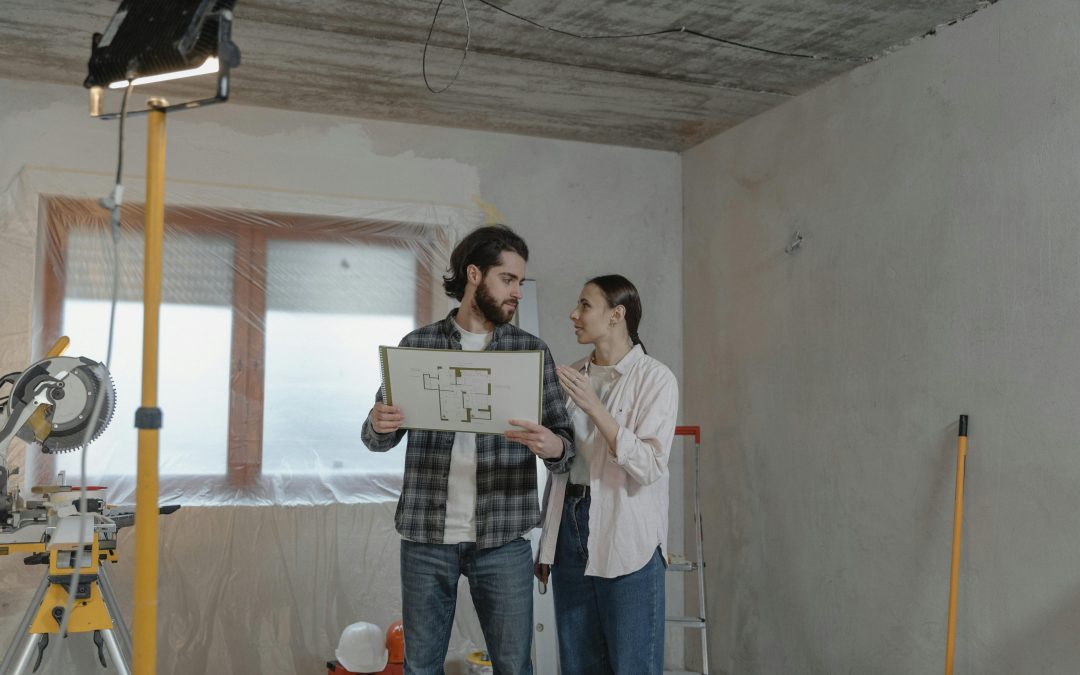
Renovating an entire home is one of the most exciting and challenging projects a homeowner can take on. Maybe the layout no longer fits your lifestyle. Maybe the house feels outdated, or perhaps you simply want to modernize the space and improve comfort.
Whatever the reason, a full home renovation requires thoughtful preparation before the first wall is touched. That is where Custom full home renovation planning comes in. Instead of making random upgrades room by room, a custom plan helps homeowners redesign the entire property in a strategic and organized way.
Home renovations are also extremely common. According to the Joint Center for Housing Studies at Harvard University, homeowners in the United States spend hundreds of billions of dollars each year on remodeling projects. This highlights just how important renovation planning has become for modern homeowners.
Let’s explore how Custom full home renovation planning works and why taking a structured approach can make the process smoother and more successful.
Why Planning Matters in a Full Home Renovation
Renovating one room is manageable. Renovating an entire house is a much bigger undertaking. Multiple systems such as plumbing, electrical wiring, flooring, and structural components may all be affected at the same time.
Without a clear plan, renovation projects can quickly become overwhelming.
Proper planning helps homeowners:
- Understand the full scope of the renovation
- Estimate budgets more accurately
- Avoid costly design mistakes
- Coordinate contractors and schedules
- Ensure the final design feels cohesive
Through Custom full home renovation planning, homeowners can visualize how each part of the house will work together before construction begins.
Setting Clear Renovation Goals
The first step in any renovation plan is identifying what you want to achieve.
Some homeowners want to modernize an older property while others want to improve functionality or increase resale value.
Common renovation goals include:
- Creating open living spaces
- Updating kitchens and bathrooms
- Improving energy efficiency
- Expanding living areas
- Adding home offices or guest rooms
Defining these goals early helps guide design decisions throughout the project.
For example, a family that values entertaining may prioritize larger kitchens and living areas, while someone working from home may focus on dedicated office space.
Understanding Your Home’s Current Structure
Before starting any renovation project, it is important to understand the structure and condition of the existing home.
Professional inspections often review:
- Structural integrity
- Electrical systems
- Plumbing lines
- Roofing and insulation
- Foundation condition
Older homes may require upgrades to meet modern building standards.
According to the National Association of Home Builders, many houses built decades ago were not designed for today’s electrical and technological demands.
This is why inspections are a key part of Custom full home renovation planning.
Creating a Realistic Renovation Budget
Budgeting is one of the most important parts of renovation planning. Costs can vary widely depending on the size of the home, the materials selected, and the complexity of the design.
A renovation budget often includes:
- Construction labor
- Materials and finishes
- Permits and inspections
- Design and architectural services
- Unexpected repairs
Experts often recommend setting aside a contingency fund of about 10 to 20 percent of the total renovation cost to cover surprises.
Planning finances carefully helps prevent stress during the renovation process.
Designing a Layout That Works for Modern Living
Many full home renovations involve changing the layout of the house.
Older homes sometimes have smaller rooms or separated spaces that no longer fit modern lifestyles.
Popular layout improvements include:
- Open concept living areas
- Larger kitchens with islands
- Better storage solutions
- More natural lighting
- Improved traffic flow between rooms
Designers often create floor plans that connect spaces while still maintaining functional zones within the home.
A thoughtful layout is one of the biggest benefits of Custom full home renovation planning.
Choosing Materials and Finishes
Selecting the right materials can have a huge impact on both the appearance and durability of the renovated home.
Common choices include:
- Hardwood or engineered flooring
- Quartz or granite countertops
- Energy efficient windows
- Modern lighting fixtures
- Durable cabinetry and storage systems
When choosing materials, homeowners should consider both style and long term maintenance.
High quality materials may cost more upfront but often last longer and require fewer repairs.
Improving Energy Efficiency During Renovation
A full renovation is the perfect opportunity to upgrade energy efficiency.
Energy improvements can help reduce monthly utility bills and create a more comfortable living environment.
Some common upgrades include:
- Installing better insulation
- Upgrading heating and cooling systems
- Replacing old windows with energy efficient models
- Adding LED lighting
- Using energy efficient appliances
According to the U.S. Department of Energy, energy efficient improvements can significantly reduce household energy consumption.
Including these upgrades in Custom full home renovation planning can provide long term savings.
Coordinating Contractors and Construction Phases
Once planning and design are complete, the renovation moves into the construction phase.
Full home renovations typically involve several specialists such as:
- Architects and designers
- General contractors
- Electricians and plumbers
- Flooring and painting professionals
Coordinating these teams requires careful scheduling. Some tasks must be completed before others can begin.
For example, electrical and plumbing work usually happens before drywall installation.
Good coordination keeps the renovation moving smoothly.
Living Arrangements During Renovation
One practical challenge homeowners often face is deciding whether to stay in the house during renovations.
For large scale projects, temporary relocation may be the best option.
Renovations can involve noise, dust, and limited access to essential spaces like kitchens or bathrooms.
Planning living arrangements ahead of time helps reduce stress during construction.
This step is often overlooked but is an important part of Custom full home renovation planning.
Adding Personal Style to the Finished Space
Beyond structural improvements and functionality, renovations also offer the opportunity to express personal style.
Design choices such as colors, lighting, furniture placement, and décor help create a space that feels truly personal.
Some homeowners prefer modern minimalist designs while others enjoy classic or rustic styles.
The goal is to create a home that reflects your personality while remaining comfortable and practical.
Conclusion: Turning Your Vision Into a Beautiful Home
Renovating an entire home is a major project, but with careful preparation it can also be one of the most rewarding improvements a homeowner makes.
Custom full home renovation planning provides the structure needed to transform ideas into a well designed living space. By setting clear goals, creating a realistic budget, and coordinating construction carefully, homeowners can avoid common renovation challenges.
In the end, a well planned renovation does more than update a house. It creates a home that supports your lifestyle, improves comfort, and adds lasting value for years to come.