
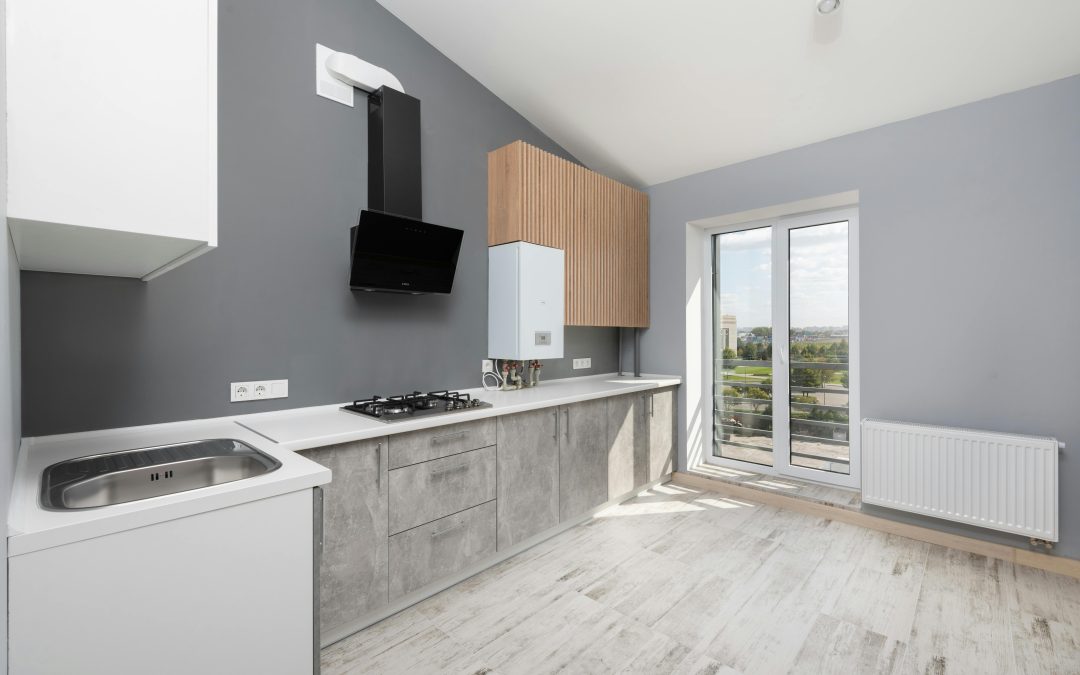
Thinking about remodeling your kitchen? You’re not alone. The kitchen is the heart of the home — and whether you want a modern upgrade or need more functional space, a remodel can make a huge difference. But let’s be real: planning it can feel overwhelming.
The good news? It doesn’t have to be.
In this guide, I’ll walk you through how to plan a kitchen remodel step by step — so you can stay on track, on budget, and excited about what’s ahead.
Step 1: Set Your Budget (Be Honest)
Before picking out tile or dreaming about quartz counters, start with your budget. Knowing how much you can afford (and how much wiggle room you have) helps guide every decision moving forward.
What to include in your kitchen remodel budget:
- Cabinets
- Countertops
- Appliances
- Flooring
- Lighting
- Plumbing & electrical
- Labor
- Permits (if needed)
- A contingency buffer (10–15% for surprises)
According to HomeAdvisor, a typical kitchen remodel costs anywhere from $15,000 to $40,000, depending on size, materials, and scope. Start with a number that feels realistic, and plan accordingly.
Step 2: Identify Your Must-Haves vs. Nice-to-Haves
Every dream kitchen has priorities — maybe it’s better storage, more space for family meals, or just a layout that makes sense.
Make a simple list:
- Must-haves: New cabinets, more counter space, better lighting
- Nice-to-haves: Farmhouse sink, high-end backsplash, custom wine rack
This helps you stay focused and cut non-essentials if the budget gets tight.
Step 3: Sketch Your Layout
You don’t need to be an architect to sketch ideas. Whether you use pen and paper or a free online tool, draw your current kitchen and brainstorm layout changes. Think about:
- Work zones (sink, stove, fridge)
- Traffic flow
- Storage needs
- Island or no island?
- Space for seating
If you’re keeping the same footprint, your remodel may cost less. But if you’re moving plumbing or knocking down walls, you’ll need professional input (and a bigger budget).
Step 4: Hire a Professional (Seriously, It’s Worth It)
DIY is great… until it’s not.
Even if you want to handle some things yourself, hiring a professional remodeler (like Empire Home Improvements in Florida) can save you time, money, and stress. An experienced contractor or designer will:
- Help you optimize your layout
- Ensure proper permits and codes
- Prevent costly mistakes
- Provide a project timeline and handle subcontractors
Get 2–3 quotes, check reviews, and don’t be afraid to ask questions.
Step 5: Choose Your Materials and Finishes
Now for the fun part! Picking materials and finishes is where your personality shines. Think:
- Cabinets: Custom, semi-custom, or stock? Shaker, flat-panel, or traditional?
- Countertops: Quartz, granite, butcher block, or laminate?
- Backsplash: Subway tile, glass, or something bold?
- Flooring: Tile, hardwood, vinyl?
- Lighting: Pendant lights, under-cabinet lighting, recessed cans
Try to choose durable, low-maintenance materials that match your lifestyle — especially if you cook a lot or have young kids.
Pro tip: Order samples! What looks great online may look different in your lighting.
Step 6: Plan for Temporary Disruption
Once the demo starts, your kitchen will be out of commission. Set up a temporary kitchen in another room with:
- A mini fridge or cooler
- Microwave or hot plate
- Paper plates and utensils
- Coffee maker (because… life)
If you can’t handle the disruption, you might consider staying elsewhere during major phases of the remodel.
Step 7: Finalize the Timeline
A full kitchen remodel usually takes 6 to 12 weeks, depending on complexity and supply chains. Your contractor should provide a detailed schedule with:
- Start and finish dates
- Milestones (demo, framing, installation)
- Inspection timelines
Stay flexible — delays can happen, especially with material shortages or weather. But having a general plan helps keep things moving.
Step 8: Communicate and Stay Involved
Check in with your contractor often. Ask for progress updates and walkthroughs. Keep a file (physical or digital) with receipts, plans, paint swatches, and appliance specs.
Being involved doesn’t mean micromanaging — it just means staying informed so you’re not blindsided by any changes or delays.
Final Thoughts
Remodeling a kitchen can feel like a lot. But when you break it down into manageable steps, it’s totally doable — and honestly, pretty exciting.
By following these eight steps on how to plan a kitchen remodel step by step, you’ll save yourself from surprises, stay on budget, and (hopefully) enjoy the process. And when it’s all done? You’ll have a beautiful, functional kitchen that adds serious value to your home — and your daily life.
If you’re ready to take the next step, reach out to Empire Home Improvements. We’ll help bring your vision to life, from cabinets to countertops — and everything in between.