
When planning a construction project, the choice of materials plays a major role in durability, cost, and overall strength. One material that often comes up is plywood. But is plywood good for construction?
The answer is yes. Plywood is widely used across residential and commercial construction for many reasons. From subfloors to roofing and wall sheathing, it offers reliability, strength, and flexibility.
In this article, we’ll explore why plywood is a popular construction material, where it is used, and what makes it a dependable choice.
What Is Plywood
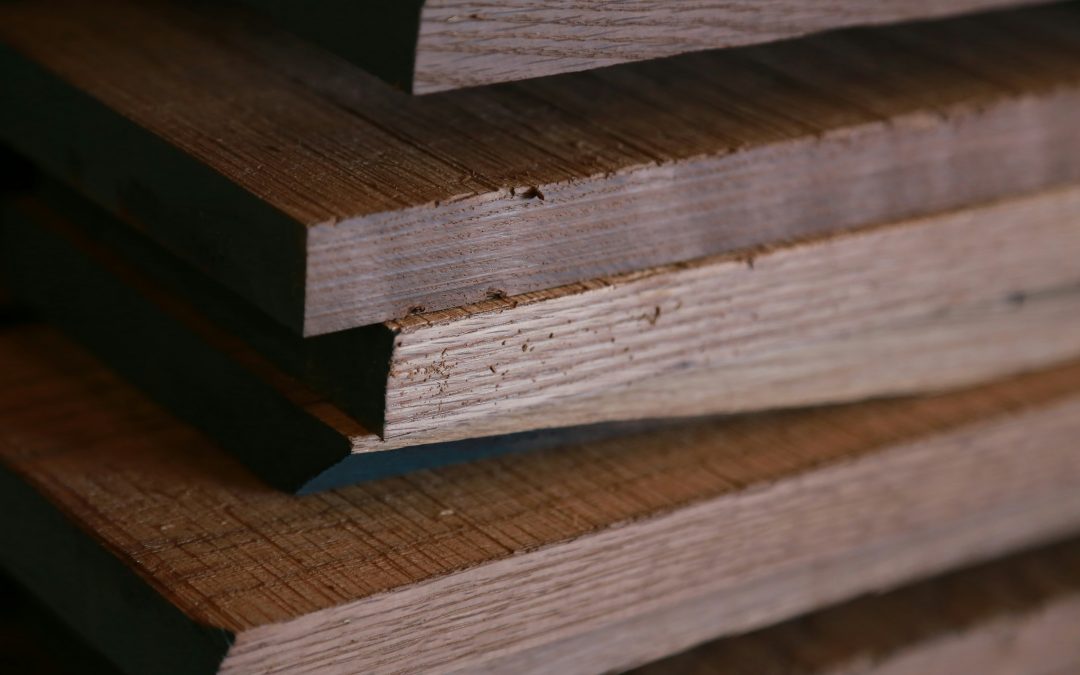
Plywood is a manufactured wood product made by gluing together thin layers of wood veneers. Each layer is placed perpendicular to the previous one, which gives the board strength and stability.
This cross-grain pattern reduces the tendency of the wood to shrink or expand with changes in temperature and moisture. The result is a panel that is strong, lightweight, and cost-effective.
Why Plywood Is Good for Construction
Structural Strength
Thanks to its layered construction, plywood can bear heavy loads. It distributes weight evenly, making it ideal for structural uses like flooring systems, wall sheathing, and roofing.
Dimensional Stability
Plywood resists warping, shrinking, or swelling better than solid wood. This is especially useful in areas exposed to humidity or temperature shifts.
Versatility
It can be cut, drilled, sanded, and finished easily. Plywood is used in framing, cabinetry, furniture, and even decorative panels.
Availability and Cost
Plywood is widely available in different thicknesses and grades. It is usually more affordable than solid wood and faster to install, saving both time and labor costs.
Eco-Friendly Options
Many manufacturers offer plywood made from sustainable timber and low-VOC adhesives, making it an eco-conscious building material.
Common Uses of Plywood in Construction
Plywood is used in nearly every stage of the building process. Here are some of the most common applications:
Subflooring
Plywood serves as a base layer beneath tile, carpet, or hardwood floors. It provides stability and support while allowing easy installation of finishes.
Roof Sheathing
Builders use plywood panels to cover the rafters or trusses before installing shingles. It helps keep the roof sturdy and weatherproof.
Wall Sheathing
It strengthens exterior walls and adds insulation support. It also helps tie the frame together for better wind resistance.
Concrete Formwork
Plywood is used to build molds or forms to hold poured concrete. It’s strong enough to hold the concrete and reusable for multiple pours.
Cabinetry and Built-ins
For non-structural elements like kitchen cabinets or shelving, plywood provides a smooth surface and reliable strength.
Types of Plywood for Construction
There are different types of plywood depending on the use:
- Softwood Plywood – Used for structural applications like subfloors and roofs
- Hardwood Plywood – Common in furniture and cabinetry
- Exterior Plywood – Treated to withstand moisture and weather exposure
- Marine Plywood – High-grade, water-resistant plywood used in wet environments
- Fire-Rated Plywood – Treated for use in areas requiring fire resistance
Each type has its own properties, and it’s important to choose the right grade and thickness based on the project.
Things to Consider Before Using Plywood
While plywood is a great material, it’s not perfect for every situation. Here are some points to keep in mind:
Moisture Exposure
Not all plywood is waterproof. For outdoor or wet areas, you’ll need exterior or marine-grade plywood.
Edge Finishing
Plywood edges can splinter or look rough. Sealing or trimming is often necessary for visible areas.
Load Requirements
For heavy structural needs, make sure the plywood meets load-bearing standards and thickness recommendations.
Fire Resistance
In some cases, code may require fire-rated plywood. Always check local building codes before use.
Alternatives to Plywood
In some situations, builders may consider other sheet materials like:
- OSB (Oriented Strand Board) – Cheaper than plywood and strong, but less moisture resistant
- MDF (Medium Density Fiberboard) – Good for interior work but not suitable for structural or outdoor use
- Particle Board – Very affordable but weak and easily damaged by moisture
Still, plywood remains one of the most reliable options for general construction.
Final Thoughts
So is plywood good for construction? Absolutely. Its strength, stability, and versatility make it a top choice for builders, architects, and DIY homeowners alike. Whether you’re constructing a new house, remodeling a room, or building cabinets, plywood can meet your needs without breaking the budget.
Always choose the right grade, thickness, and type for your specific project. And when in doubt, consult with a contractor or supplier to ensure you’re using the right plywood for the job.